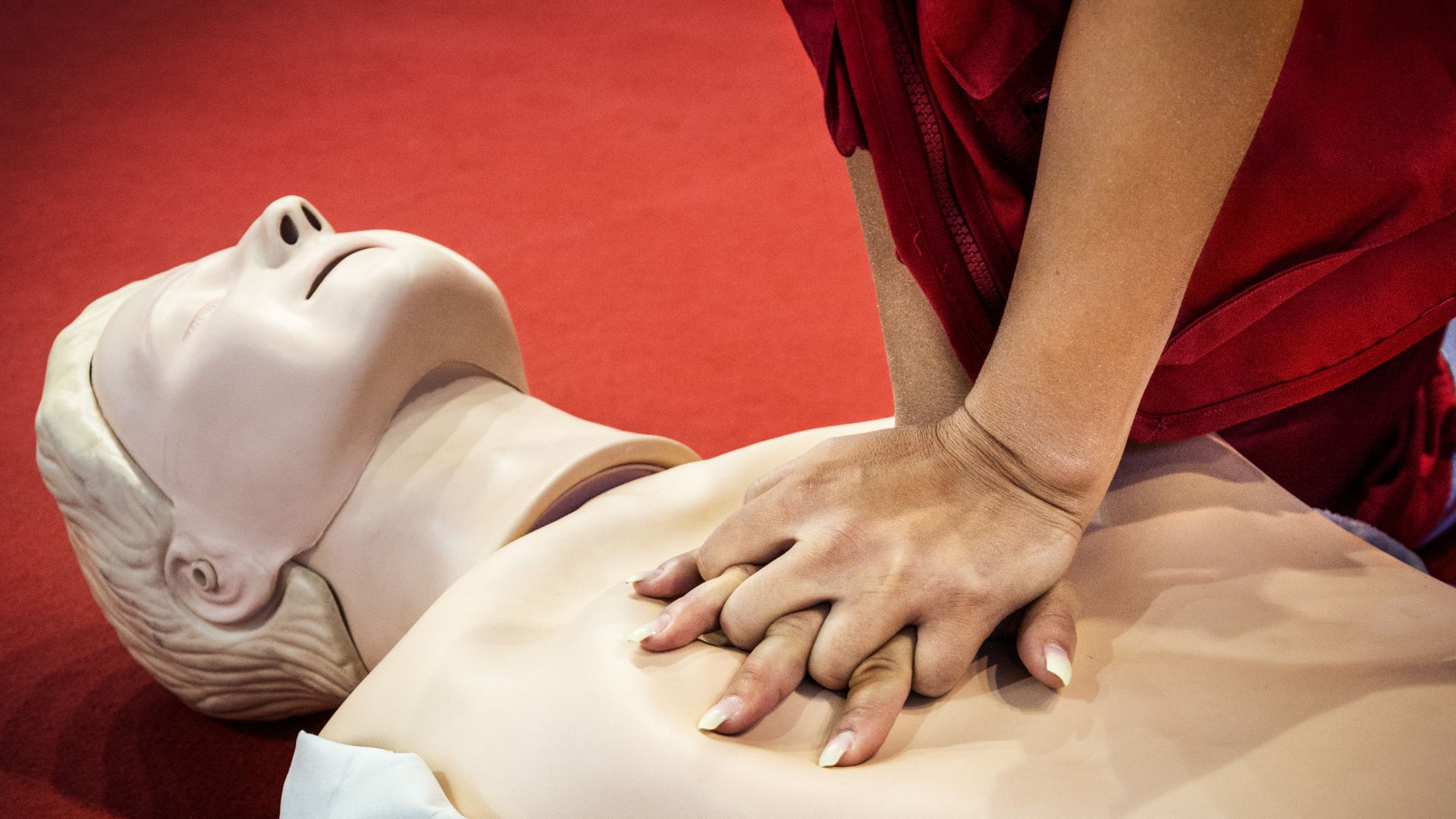
Medical emergencies can happen without warning in homes, workplaces, schools, and public spaces. When someone experiences sudden cardiac arrest or stops breathing, immediate action is critical. In these moments, a common question often arises afterward: Who is responsible for performing CPR in a medical emergency? Understanding responsibility in these situations helps remove hesitation, reduce fear, and encourage life saving action. CPR certification plays a vital role in preparing individuals to respond confidently when emergencies occur.
The responsibility to perform CPR is not limited to doctors, nurses, or emergency responders. In most situations, the first people on the scene are everyday individuals such as coworkers, family members, teachers, or bystanders. CPR certification empowers these individuals with the knowledge and skills needed to act quickly and appropriately until emergency medical services arrive.
This guide explains who is responsible for performing CPR, how responsibility is shared in emergency situations, how CPR certification influences response, and why taking action matters more than job titles or formal roles.
Understanding Responsibility During Medical Emergencies
Responsibility in a medical emergency is not always defined by law or job description. Instead, it is often shaped by proximity, preparedness, and the ability to act. When cardiac arrest occurs, the person closest to the victim is usually the first potential responder.
Medical emergencies unfold rapidly. Waiting for a specific individual or authority to arrive can result in dangerous delays. CPR certification teaches that immediate action is essential and that responsibility often falls to those who recognize the emergency and are capable of responding.
In many cases, responsibility is shared. One person may call emergency services, another may retrieve an automated external defibrillator, and another may begin CPR. This shared approach strengthens emergency response and improves outcomes.
The Role of Bystanders in CPR Response
Bystanders play a critical role in medical emergencies. A bystander is anyone present at the scene who is not the victim. This can include family members, coworkers, classmates, or strangers.
In cardiac emergencies, bystanders are often the only people available to provide immediate help. CPR certification prepares bystanders to recognize cardiac arrest, assess breathing, and begin chest compressions without delay.
Without CPR training, bystanders may hesitate out of fear or uncertainty. CPR certification replaces hesitation with confidence, making it more likely that someone will step forward and take action.
Does CPR Responsibility Depend on Training
While anyone can attempt to help in an emergency, CPR certification significantly influences responsibility. Trained individuals are better equipped to recognize emergencies and perform CPR safely and effectively.
In many environments, such as workplaces or schools, individuals with CPR certification may be expected to respond as part of emergency preparedness plans. However, even outside these settings, CPR certified individuals often feel a stronger sense of responsibility because they understand how critical their actions can be.
Training does not create legal obligation in most situations, but it does create readiness. CPR certification empowers individuals to act with purpose rather than waiting passively for help to arrive.
CPR Responsibility in the Workplace
In workplace settings, responsibility for CPR response may be outlined in safety policies or emergency action plans. Employers often designate certain employees to receive CPR certification as part of preparedness efforts.
These employees may include safety officers, managers, security personnel, or team leads. When emergencies occur, these individuals are expected to initiate response procedures, including CPR if needed.
That said, responsibility is not limited to designated staff. Any employee who recognizes a medical emergency and has CPR training can take action. CPR certification supports a shared safety culture where employees look out for one another.
CPR Responsibility in Schools and Childcare Settings
In schools, teachers, administrators, coaches, and staff are often CPR certified to protect students. These individuals are typically responsible for supervising children and responding to emergencies during school hours.
When a medical emergency occurs, teachers or staff present are often the first to respond. CPR certification enables them to act immediately rather than waiting for a school nurse or emergency responders.
In childcare environments, responsibility may feel even greater because children may not be able to advocate for themselves. CPR certification equips caregivers with lifesaving skills that support child safety and peace of mind for families.
CPR Responsibility at Home
Many cardiac emergencies happen at home. Family members are often the only people present when a loved one collapses or stops breathing.
In these situations, responsibility naturally falls to those closest to the victim. CPR certification gives family members the tools to respond during some of the most emotionally challenging emergencies.
Knowing CPR can make the difference between feeling helpless and taking action. For many families, CPR certification provides reassurance that they can protect loved ones when emergencies occur.
CPR Responsibility in Public Spaces
Public spaces such as parks, malls, gyms, restaurants, and transportation hubs are common locations for cardiac emergencies. In these environments, responsibility is shared among bystanders.
Individuals with CPR certification often take the lead by assessing the situation, calling for help, and beginning CPR. Others may assist by retrieving an AED or managing the surrounding area.
CPR certification strengthens public safety by increasing the number of people capable of acting responsibly in shared spaces.
Legal Considerations and Good Samaritan Protections
Many people hesitate to perform CPR because they worry about legal consequences. Good Samaritan laws exist in many regions to protect individuals who provide reasonable assistance during emergencies.
These laws are designed to encourage bystanders to help without fear of liability. CPR certification includes guidance on acting within the scope of training and prioritizing safety.
While laws vary by location, the general principle is that attempting to help in good faith is encouraged. CPR certification provides clarity on how to respond responsibly and ethically.
Shared Responsibility and Team Response
Medical emergencies often require teamwork. Responsibility does not fall on a single person but is distributed among those present.
One individual may begin CPR, another may call emergency services, and another may retrieve an AED. CPR certification emphasizes communication and coordination to support an effective response.
Shared responsibility ensures that critical tasks happen simultaneously, reducing delays and improving survival chances.
When No One Feels Responsible
One of the biggest challenges during emergencies is diffusion of responsibility. This occurs when multiple people are present and everyone assumes someone else will act.
CPR certification helps counter this effect by empowering individuals to take initiative. Trained individuals are more likely to recognize the urgency of the situation and step forward.
Education and awareness reinforce the idea that responsibility belongs to those who are able and present, not to an unseen authority.
Professional Responsibility and CPR Certification
Certain professions carry a higher expectation of response due to their roles. Healthcare workers, fitness professionals, lifeguards, security personnel, and caregivers are often required to maintain CPR certification.
In these roles, responsibility is more clearly defined. CPR certification is part of professional duty and preparedness.
Even in professions where CPR is not required, certification demonstrates commitment to safety and readiness, strengthening professional credibility.
Emotional Barriers to Taking Responsibility
Fear, panic, and self doubt can prevent people from acting during emergencies. CPR certification helps address these emotional barriers through practice and preparation.
Training builds muscle memory and confidence. When individuals know what to do, they are less likely to freeze under pressure.
Understanding responsibility as an opportunity to help rather than a burden encourages action and saves lives.
Why Responsibility Ultimately Comes Down to Action
In cardiac emergencies, responsibility is not about titles or formal roles. It is about action. The person who begins CPR is the person who takes responsibility in that moment.
CPR certification ensures that more people are ready to take that step. It transforms responsibility from an abstract concept into a clear set of actions that anyone can perform.
By acting quickly, individuals uphold the most important responsibility of all, protecting human life.
Encouraging a Culture of Responsibility
Organizations, families, and communities benefit when responsibility for emergency response is shared and encouraged. CPR certification supports this culture by increasing preparedness and confidence.
When people know that others around them are trained, they feel supported and empowered to act. This collective responsibility improves outcomes and strengthens safety networks.
Final Thoughts on Responsibility and CPR Certification
Responsibility during a medical emergency belongs to those who are present and able to act. CPR certification empowers individuals to recognize emergencies, take immediate action, and provide lifesaving care until professional help arrives.
Rather than asking who is responsible, it is more helpful to ask who is prepared. CPR certification ensures that responsibility is met with confidence, skill, and readiness.
Investing in CPR certification is an investment in preparedness, shared responsibility, and the ability to save lives when it matters most.
Frequently Asked Questions
Is everyone responsible for performing CPR
Responsibility depends on presence and ability. Anyone who recognizes an emergency and is capable of helping can take action.
Do you have to be CPR certified to perform CPR
Certification is not required to attempt CPR, but CPR certification greatly improves confidence and effectiveness.
Can performing CPR get you in legal trouble
Good Samaritan laws generally protect individuals who provide reasonable assistance in good faith during emergencies.
What if multiple people are present
Responsibility is shared. One person may perform CPR while others assist with calling emergency services or retrieving an AED.
Why should more people get CPR certification
More certified individuals increase the likelihood that someone can respond quickly and effectively during emergencies.