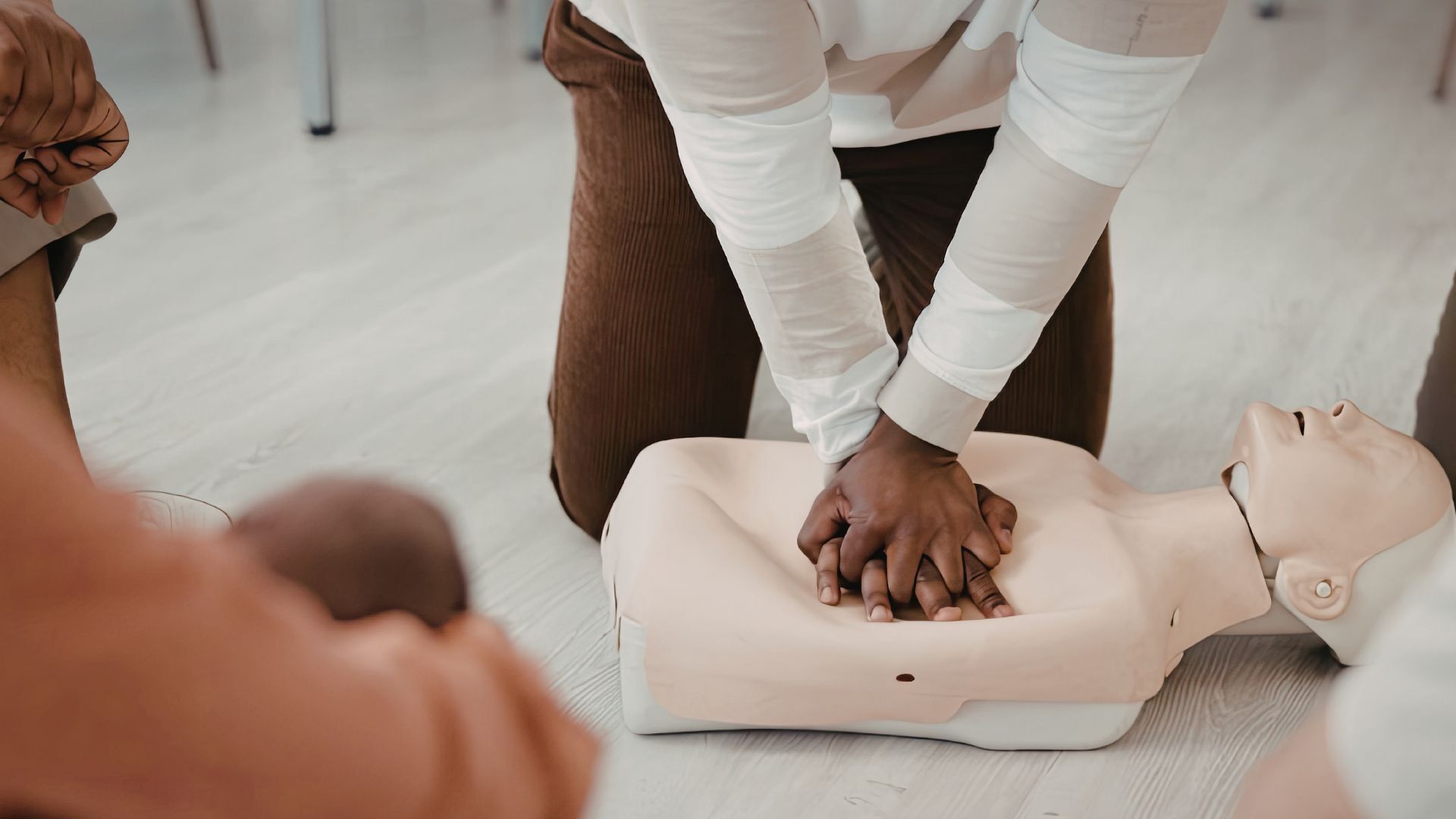
Creating a safe workplace involves much more than following regulations and preventing accidents. Modern employers understand that true workplace safety also includes preparing employees to respond when unexpected medical emergencies occur. Whether in an office, warehouse, retail store, construction site, school, or healthcare facility, sudden emergencies can happen without warning.
A coworker may experience sudden cardiac arrest, a customer could begin choking, or an employee might suffer a severe allergic reaction. During those critical first moments, trained bystanders often become the first line of defense while emergency medical services are on the way.
Through CPR Certification, Nashville businesses can equip their employees with the practical skills and confidence needed to respond quickly during emergencies. The American Heart Association reports that immediate bystander CPR can double or even triple a victim’s chance of survival following sudden cardiac arrest. American Heart Association
Investing in CPR training helps protect employees, customers, and the entire workplace community.
Medical Emergencies Can Happen in Any Workplace
Many people associate CPR with hospitals or emergency responders, but life-threatening situations occur in every type of work environment.
Common workplace emergencies include:
- Sudden cardiac arrest
- Heart attacks
- Choking incidents
- Severe allergic reactions
- Seizures
- Heat-related illness
- Electrical accidents
- Falls resulting in unconsciousness
Whether employees work behind a desk or on a construction site, immediate action can make a significant difference while waiting for professional medical care.
Sudden Cardiac Arrest Requires Immediate Response
Sudden cardiac arrest occurs when the heart unexpectedly stops pumping blood effectively.
Unlike a heart attack, which involves blocked blood flow to the heart muscle, cardiac arrest is typically caused by an electrical malfunction that disrupts the heart’s normal rhythm.
Common signs include:
- Sudden collapse
- Loss of consciousness
- No normal breathing
- No detectable pulse
Without CPR, oxygen-rich blood stops circulating to the brain and other vital organs.
Immediate CPR helps maintain circulation until advanced medical care arrives.
CPR Training Strengthens Workplace Safety Programs
Most businesses already invest in workplace safety through:
- Fire prevention plans
- OSHA compliance
- Emergency evacuation procedures
- Hazard communication training
- First Aid supplies
Adding CPR training provides another important layer of preparedness.
When employees know how to respond during medical emergencies, workplaces become safer and more resilient.
Employees Become First Responders
Emergency medical services provide exceptional care, but they need time to reach the scene.
In many situations, coworkers become the first people available to help.
CPR-certified employees can:
- Recognize emergencies
- Call 911 quickly
- Begin chest compressions
- Assist choking victims
- Use an AED if available
- Support arriving emergency personnel
Quick action during those first few minutes can significantly improve outcomes.
Office Environments Are Not Immune to Emergencies
Many people assume offices are low-risk workplaces.
However, office employees may experience:
- Cardiac arrest
- Choking during meals
- Allergic reactions
- Strokes
- Seizures
- Medical complications from underlying conditions
Long workdays, stress, and sedentary lifestyles can all contribute to unexpected health emergencies.
CPR training helps office staff feel prepared to respond effectively.
Construction and Industrial Sites Face Additional Risks
Nashville’s growing construction and manufacturing sectors involve physically demanding work environments.
Potential emergencies may include:
- Falls
- Electrical injuries
- Heat exhaustion
- Heavy equipment accidents
- Cardiac events
- Traumatic injuries
While CPR cannot treat every injury, trained employees can provide life-saving assistance and stabilize victims while emergency responders are on the way.
Choking Emergencies Can Happen Anywhere
Choking incidents are not limited to restaurants.
Employees may choke during:
- Lunch breaks
- Company events
- Meetings with refreshments
- Workplace celebrations
CPR courses typically include age-appropriate choking response techniques for adults, children, and infants.
Knowing how to react quickly can prevent a choking emergency from becoming life-threatening.
AED Training Complements CPR Skills
Automated External Defibrillators are becoming increasingly common in workplaces throughout Nashville.
AEDs are often found in:
- Office buildings
- Schools
- Manufacturing facilities
- Fitness centers
- Hotels
- Shopping centers
Hands-on CPR classes often include instruction on:
- Turning on the AED
- Applying the electrode pads
- Following voice prompts
- Continuing CPR after treatment
Quick CPR combined with early AED use offers one of the strongest opportunities for survival during sudden cardiac arrest.
Training through CPR Certification helps employees become comfortable using this important equipment.
CPR Training Builds Employee Confidence
One of the biggest reasons people hesitate during emergencies is fear.
Many employees worry they might:
- Hurt the victim
- Forget the proper steps
- Panic under pressure
- Make the wrong decision
Hands-on classes allow participants to repeatedly practice:
- Chest compressions
- Rescue breathing
- AED operation
- Choking response
- Emergency scene assessment
This practical experience helps build confidence and muscle memory that can make a tremendous difference during real emergencies.
CPR Training Improves Teamwork
Medical emergencies often require multiple people working together.
CPR training teaches employees how to:
- Communicate clearly
- Assign responsibilities
- Rotate compressions
- Coordinate AED use
- Support emergency responders
These teamwork skills help create more organized and effective emergency responses.
Customers and Visitors Benefit Too
Employees are not the only people who may experience emergencies at work.
Businesses regularly serve:
- Customers
- Vendors
- Delivery personnel
- Contractors
- Guests
A CPR-trained workforce helps create a safer environment for everyone who enters the workplace.
Many customers appreciate businesses that prioritize safety and preparedness.
CPR Skills Extend Beyond the Workplace
Although many employees first obtain CPR certification for their jobs, these skills often become valuable in everyday life.
CPR-trained individuals may one day help:
- Family members
- Friends
- Neighbors
- Community members
- Complete strangers
Many cardiac emergencies happen at home, making CPR one of the most practical life skills anyone can learn.
Hands-On Practice Improves Long-Term Retention
Watching instructional videos or reading about CPR can introduce the concepts, but physical practice helps participants retain the information much more effectively.
Hands-on classes allow students to:
- Practice proper compression depth
- Learn correct hand placement
- Perform rescue breaths
- Work through realistic emergency scenarios
- Receive instructor feedback
Programs through CPR Certification help Nashville employees develop the practical skills needed to respond confidently under pressure.
CPR Certification Demonstrates Leadership
Businesses that invest in CPR training show a commitment to employee well-being and workplace safety.
Offering CPR education demonstrates:
- Responsibility
- Preparedness
- Professional development
- Commitment to protecting others
These qualities help build trust among employees, customers, and the community.
Final Thoughts About Workplace CPR Training in Nashville
Medical emergencies can happen in any workplace, often without warning. Sudden cardiac arrest, choking incidents, allergic reactions, and other life-threatening situations require immediate action while emergency responders are on the way.
Through CPR Certification, Nashville businesses can equip their teams with the hands-on skills and confidence needed to respond effectively during emergencies. CPR training strengthens workplace safety programs, protects employees and customers, and helps create a culture of preparedness that benefits the entire community.
A few hours of training can provide the knowledge and confidence needed to make a life-saving difference when every second counts.
Frequently Asked Questions About Workplace CPR Training in Nashville
Why should businesses offer CPR training?
CPR training helps employees respond quickly during medical emergencies and strengthens overall workplace safety.
What workplace emergencies may require CPR?
Sudden cardiac arrest, choking incidents, allergic reactions, electrical accidents, and certain traumatic injuries may require CPR.
Is CPR training only important for healthcare workplaces?
No. Medical emergencies can happen in offices, schools, retail stores, construction sites, warehouses, and virtually any work environment.
Does CPR certification include AED training?
Yes. Most comprehensive CPR courses include hands-on AED instruction along with CPR techniques.
Can CPR training improve employee confidence?
Absolutely. Hands-on practice helps employees feel more prepared to respond during stressful situations.
How long does CPR certification usually last?
Most CPR certifications remain valid for two years before renewal is recommended or required.
Which industries benefit most from workplace CPR training?
Healthcare, education, construction, hospitality, manufacturing, retail, office environments, and many other industries can benefit from CPR-trained employees.
Can employees use CPR skills outside of work?
Yes. CPR training prepares individuals to help family members, friends, neighbors, or strangers during unexpected emergencies.